
第 1 课
学习新汉字 (13/14)
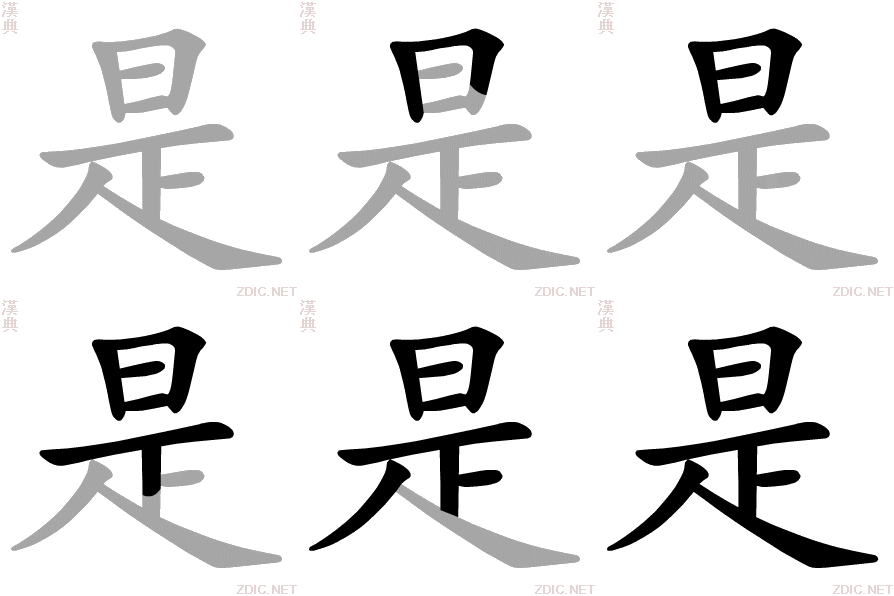
Brief explanation:
correct, right;
yes (in response);
to be (copula verb);
Etymology:
"是" is a compound ideographic character, composed of "日" (sun) and "正" (correct).
Etymology and Evolution
Bronze Script:
 The upper part is "日" (sun), and the lower part is "止" (foot, representing action), sometimes with an added horizontal line indicating direction. The character symbolizes aligning direction with the sun, conveying the meaning of "straight" or "correct."
Small Seal Script (Shuowen Jiezi):
Derived from the bronze script, it was standardized as "from日 and正." Xu Shen defined it as "直也" (straight), with the original meaning of upright or correct.
Clerical and Regular Scripts:
The character evolved into its modern form "是," with "日" above and a transformed "正" below.
Original and Extended Meanings
Original Meaning: Correct, upright, as in "是非分明" (to distinguish right from wrong).
-
Extended Meanings:
字源:
注册体验学习、练习、复习全流程
- 每天学习一节课
- 在线练习直至记住
- 每天复习所有学过的内容,防止前学后忘
- 系统自动记录,重点复习你最需要练习的,高效学习,免除无效重复
- 90 天后拥有开始中文阅读的基本词汇量